
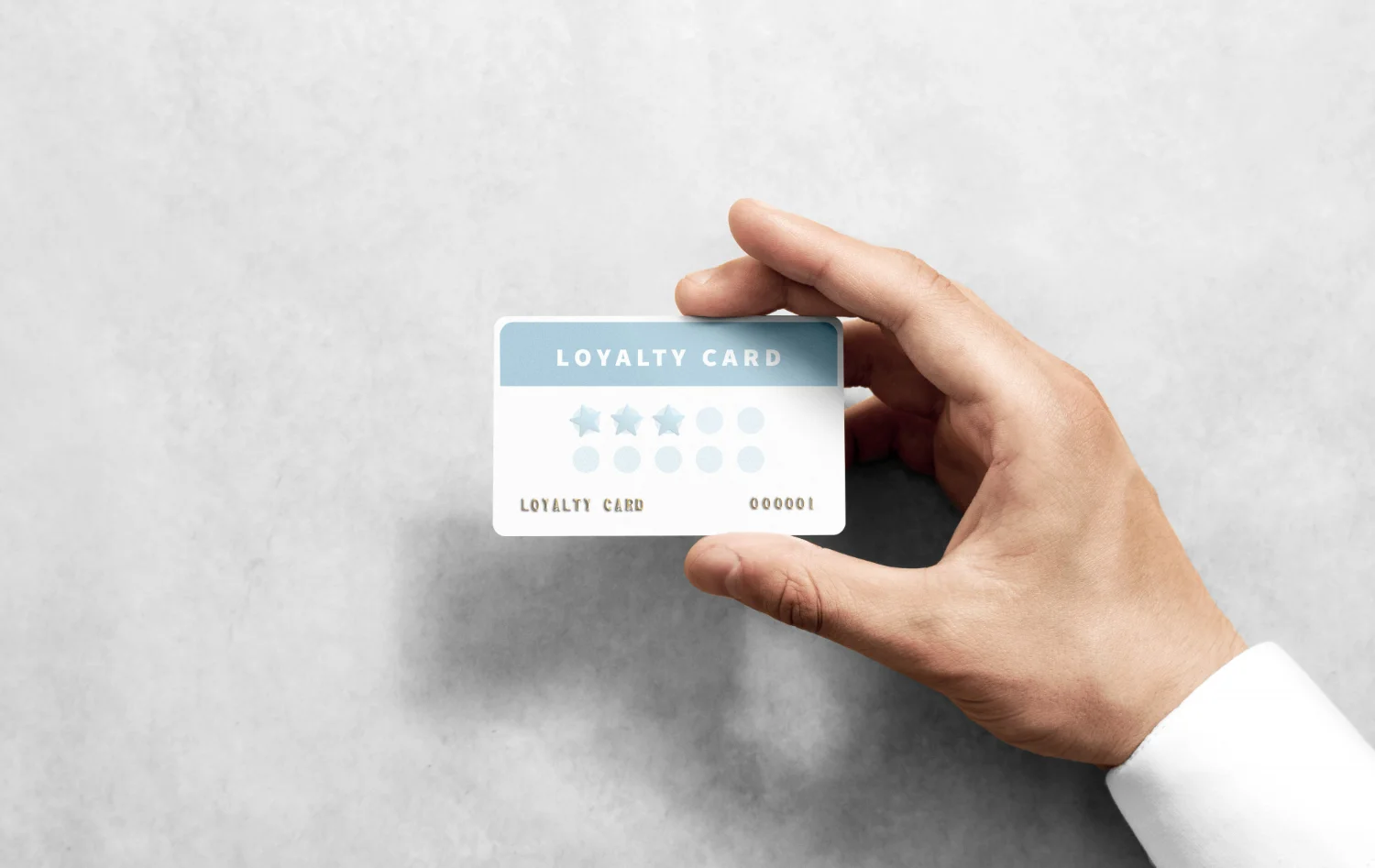
The first stamp is easy — a customer is standing in front of you. The second one has to survive a wallet, a washing machine and about three weeks of forgetting. Here is where paper leaks, and what changes when the card lives on a phone.
Ask any café owner how their punch card is doing and you will get a version of the same answer: “people love it.” And they do — right up until they leave the counter. The card goes into a back pocket, then a drawer, and the program quietly stops existing.
The gap nobody measures
Most local businesses measure cards issued. Almost none measure cards completed, because paper gives you no way to. That single blind spot is why a program can feel successful for two years while returning almost nothing.
1 in 5
paper cards ever receive a second stamp
3 weeks
typical gap before a first-time customer is effectively lost
0
ways to contact a paper cardholder
Four places paper leaks
When we sat with owners and walked backwards through the customer journey, the same four failure points came up every time.
- It is not carried. A card only works if it happens to be in the wallet on the day of an unplanned visit — and most visits to a local business are unplanned.
- It is silent. Paper cannot remind anyone of anything. The customer has to remember you, unprompted, at exactly the right moment.
- It is anonymous. You know a card exists. You do not know whose it is, what they buy, or whether they came back.
- It is forgeable. A stamp is a rubber shape. Duplicate cards and generous staff quietly erode the margin the program was supposed to protect.
A loyalty program is not a discount. It is a reason to come back that arrives at the right time — and paper cannot deliver a message.
What changes in the wallet
Moving the same mechanic into Apple Wallet or Google Wallet does not make the reward more attractive. It removes the three reasons the customer failed to use it: the card is always carried, it can speak first, and it is attached to a person you can actually learn something about.
The card is always there
Phones do not get left at home the way cards do. The stamp count is one tap from the lock screen, which matters most in exactly the situation paper fails — the spontaneous visit.
The card can start the conversation
A push notification costs nothing and lands on the lock screen. Two stamps from a reward, sixteen days since the last visit, walking within 100 metres of the shop — each of those is a trigger you can attach a message to.
Before you switch: three things to decide
The technology is the easy part. These are the choices that decide whether the program pays for itself.
- Your reward threshold. Short enough to feel reachable on visit two, long enough that the free item is covered by the visits before it.
- Your reminder cadence. One well-timed push beats four generic ones, and it is roughly the point where people stop deleting the card.
- Who scans. If awarding a stamp takes longer than handing over a coffee, your staff will stop doing it by week two.
The honest summary
Paper punch cards are not broken because customers do not want loyalty. They are broken because the format cannot carry, remember or speak. Fix those three things and the same reward starts producing the second visit it was always supposed to.